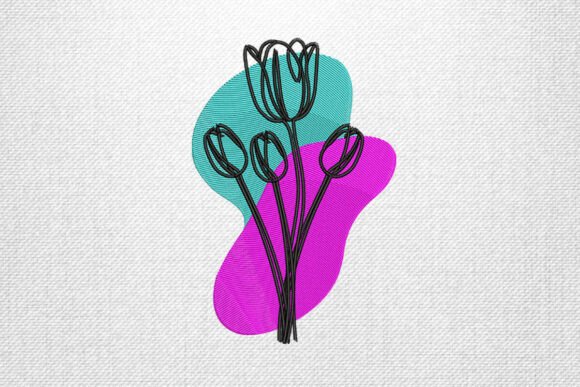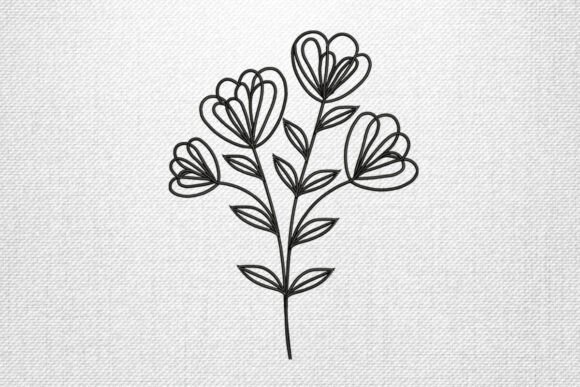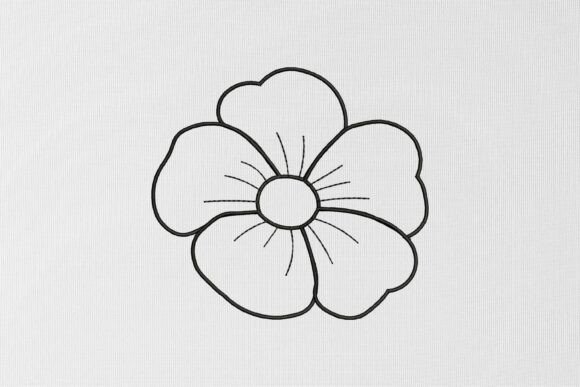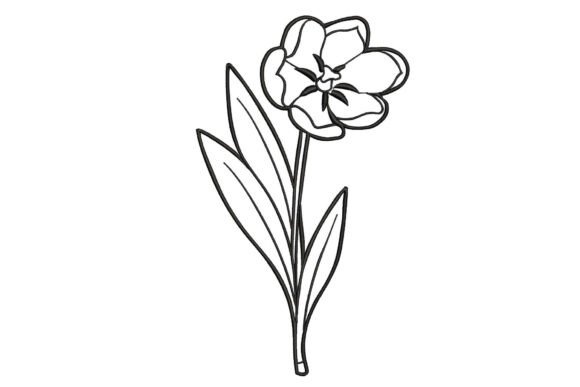
Chrysanthemum Outline Flower Review
When I pull a new embroidery file into my hoop, I am not just looking at lines and curves. I am visualizing the finished product sitting on a customer’s chest, hanging in a boutique window, or nestled inside a handmade gift box. As a designer who has stitched thousands of motifs for everything from high-end apparel to quick craft fair items, I know that the difference between a good design and a great one often comes down to how well it translates from digital vector to physical thread. Today, I am putting the Chrysanthemum Outline Flower under the microscope. This piece belongs to the Outline Flowers category, which immediately sets certain expectations regarding stitch type and visual weight. Is this design ready for real-world production, or is it better left as a decorative accent? Let us dig into the practical details.
The First Impression: Mood and Visual Personality
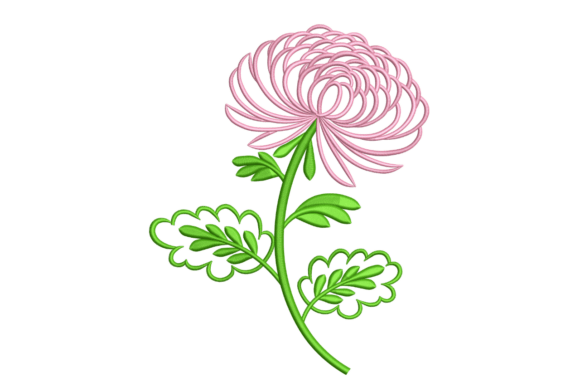
The moment you load the Chrysanthemum Outline Flower, the first thing that strikes me is its elegance. Unlike dense fill-stitch flowers that demand heavy stabilizer and thick thread, an outline design relies entirely on line quality and negative space. The chrysanthemum is a complex flower with many petals, and rendering it in an outline format requires a confident hand in digitizing. If the curves are too sharp, it looks jagged; if they are too soft, it loses definition. In this case, the flow feels organic. It creates a mood that is sophisticated yet approachable. It does not scream for attention like a bold graphic print, but rather invites the viewer to look closer. This subtlety makes it incredibly versatile. It feels right at home on a linen tea towel, a delicate baby onesie, or the cuff of a custom sweatshirt. It brings a touch of artistic detail without overwhelming the fabric itself.
Real-World Application: From Sketch to Stitch
I recently considered using this design for a batch of personalized tote bags intended as holiday gifts for a small business client. Tote bags are a tricky canvas because they are often made of sturdy cotton canvas or jute, materials that can distort under tension. A dense floral block might pucker the fabric, but an outline flower design allows the natural texture of the bag to show through. When I mentally placed the Chrysanthemum Outline Flower on the front panel, it offered a perfect balance. It was large enough to be seen from a distance but detailed enough to feel premium. Imagine this embroidered on a neutral beige canvas with a single contrasting thread color—perhaps a deep burgundy or a muted sage green. The result would be a handmade product that looks curated and intentional, not mass-produced.
This same logic applies to custom apparel. For a sweatshirt embroidery project, placing this motif over the heart or on the sleeve adds a layer of sophistication. It works beautifully as part of a larger composition, perhaps paired with simple typography. For Etsy sellers and small shop owners, this versatility is gold. You can use the same digital embroidery file for a nursery decor pillow cover, where the soft outlines complement pastel colors, or for a wedding gift apron, where it adds a romantic touch. The design bridges the gap between hobbyist crafting and professional-grade commercial embroidery.
Performance on Different Fabrics
Not all fabrics treat outline designs equally. On smooth, stable fabrics like cotton broadcloth or polyester blends, the Chrysanthemum Outline Flower will likely perform flawlessly. The threads will lie flat, and the curves will appear crisp. However, on textured fabrics like bouclé or heavy denim, the fine lines of the outline may get lost in the weave. In those cases, you might need to adjust your thread colors to ensure higher contrast. Additionally, when working with stretchy knits, such as those used for t-shirts or baby clothes, the stability of the design becomes paramount. An outline design generally requires less hooping tension than a solid fill, which reduces the risk of puckering, but you must still use the correct stabilizer. A cut-away stabilizer is often recommended for garments that will undergo frequent washing, ensuring the outline maintains its shape over time.
Where Caution Is Required
While this design is elegant, it is not without its pitfalls. One area to watch closely is small hoop sizes. If you attempt to digitize or stitch this chrysanthemum in a very small area, the individual petals may merge into an indistinguishable blob. Outline designs rely on separation; if the lines are too close together, the machine may struggle to navigate the tight corners without overlapping stitches. I advise testing this design in your smallest intended hoop size before committing to a full production run.
Another consideration is dark fabric. On black or navy backgrounds, standard white or light-colored outline threads can sometimes lack the necessary punch. You may find that a metallic thread or a darker, richer shade provides better visibility and a more luxurious finish. Furthermore, avoid using this design on curved surfaces like baseball caps unless you have significant experience with cap frames. The curvature can distort the symmetry of the flower, making it look skewed. For best results, keep this design on relatively flat planes like the body of a garment, the side of a tote bag, or a flat patch.
Impact on Brand and Customer Trust
In the world of craft business and online marketplaces, presentation is everything. A poorly executed embroidery job can make a brand look amateurish, even if the product itself is high quality. Conversely, a clean, precise machine embroidery design signals professionalism. The Chrysanthemum Outline Flower, when stitched correctly, elevates the perceived value of any item. Customers associate clean lines and proper tension with durability and care. When a buyer sees a neatly outlined flower on a personalized gift, they are more likely to trust that the rest of the product is made with similar attention to detail. This design helps build brand consistency, especially if you specialize in botanical or minimalist aesthetics.
For design assets and printable mockups, this outline style is also highly effective. Because it is not overly dense, it renders well in digital previews, allowing potential buyers to visualize the final look without being distracted by excessive texture. This clarity can boost buyer engagement and conversion rates for your Etsy listings.
Practical Designer Notes for Success
Before you commit this design to your final product, there are several technical steps every serious embroiderer should take. First and foremost, always test the design on scrap fabric that matches the weight and texture of your final material. This allows you to check for any potential issues with stitch density or thread breaks. Second, inspect the small details closely. Are the inner loops of the petals closed properly? Is there any unnecessary jump stitching that could mar the fabric? Third, review your thread colors against your fabric. A helpful trick is to convert your design preview to black and white in your software to check for contrast levels. Finally, confirm your licensing terms. If you plan to sell the finished items, ensure that the digital embroidery file includes commercial rights. Without proper licensing, you risk legal issues, regardless of how beautiful the final product is.
In conclusion, the Chrysanthemum Outline Flower is a refined addition to any embroidery library. It offers a sophisticated aesthetic that works across a wide range of products, from apparel decorators’ inventory to creative entrepreneurs’ gift collections. By paying attention to fabric choice, stabilization, and testing, you can harness its beauty to create pieces that customers will cherish. It is a testament to the fact that sometimes, less really is more.