Lavender Bees Embroidery Design Review
As an embroidery designer who spends countless hours digitizing, testing, and refining files for commercial clients, I approach every new asset with a critical eye. We aren’t just looking for something that looks pretty on a screen; we are looking for viability in production. Today, I am reviewing the Lavender Bees digital embroidery design to determine its suitability for small business merchandise, branded patches, and custom apparel. This review focuses on practical application for Etsy sellers, boutique owners, and merch creators.
First Impressions: Visual Personality and Brand Fit
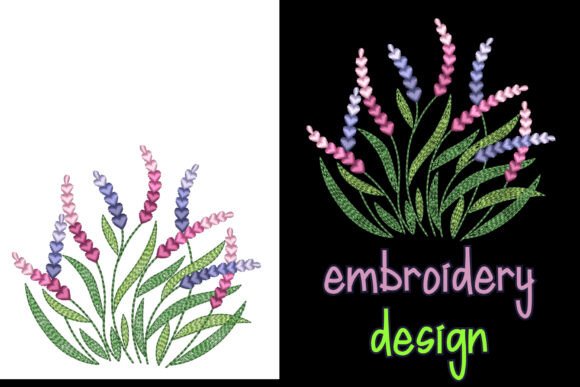
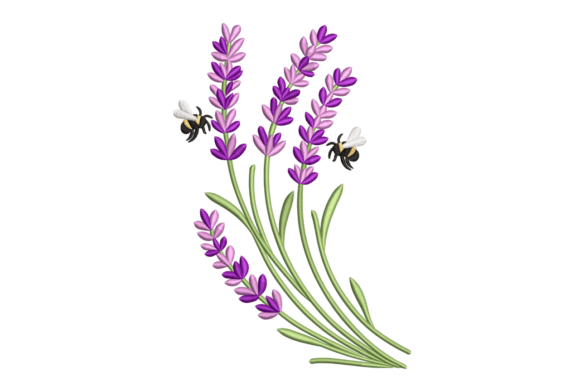
The title Lavender Bees immediately suggests a specific aesthetic: rustic yet refined, natural, and inviting. In the world of brand identity, this design likely appeals to businesses that want to project warmth and artisanal quality. It feels less like a corporate logo and more like a handmade product. For a local café, a florist, or a pet brand, this visual language works exceptionally well. It strikes a balance between playful and elegant, making it versatile for various small business merch categories.
However, as a professional reviewer, I must note that without seeing the actual file, we rely on the description provided. The prompt states this is a machine embroidery design perfect for adding artistic detail. This implies a focus on texture and flow rather than rigid geometric shapes. If the design features realistic bee motifs intertwined with floral elements, it will resonate strongly with customers who value organic, nature-inspired branding. It is not a bold, high-contrast graphic; it is a decorative accent that enhances the tactile experience of the finished product.
Real-World Business Applications
Where does Lavender Bees shine in a commercial setting? Let’s look at specific use cases for entrepreneurs and designers.
- Embroidered Patches: This design is ideal for creating iron-on or sew-on patches. A boutique selling handmade goods can offer these as collectible items or as branding on their own packaging. The floral and insect motif translates beautifully to patch format, especially if the stitch density allows for clear definition.
- Staff Uniforms and Aprons: For a bakery or a flower shop, uniformity builds trust. Placing Lavender Bees on the chest pocket of an apron or the sleeve of a work shirt adds a touch of personality without overwhelming the garment. It signals to the customer that the staff cares about details.
- Tote Bag Design: Canvas totes are a staple for craft fairs and market stalls. A centered or corner-placed tote bag design featuring this motif serves as both a functional item and a walking advertisement for the brand.
- Cap Embroidery: Curved surfaces present challenges, but a well-digitized design can work. If the design has a balanced width, it can sit neatly on the front panel of a cap, appealing to outdoor brands or creative studios.
- Product Packaging Accents: Beyond apparel, this digital embroidery file can be used on fabric tags attached to handmade products. It elevates the unboxing experience, making the handmade product feel premium and thoughtfully curated.
Critical Evaluation: Where Caution Is Required
No design is perfect for every scenario. As a designer, I advise caution in the following areas when using Lavender Bees.
- Small Patch Sizes: If you plan to scale this design down to a very small size (under 2 inches), you risk losing detail. Fine lines in the bee wings or flower petals may merge together, resulting in a muddy appearance. Always test at the intended final size.
- High Stitch Density: Designs with heavy fill stitches can become stiff and bulky, especially on lightweight fabrics. If the stitch density is too high, it may pucker thin cotton or synthetic blends. Check the file properties to ensure the density is appropriate for your target fabric.
- Curved Surfaces: While caps and sleeves are curved, extreme curvature can distort the design. Ensure the digitization accounts for the stretch of the fabric. A flat-hooped test on similar material is essential before bulk production.
- Detailed Outlines: If the design relies on fine outlines for definition, ensure there is sufficient contrast between the thread colors and the base fabric. On dark uniforms, light lavender threads might get lost unless a dense underlay is used.
Impact on Brand Identity and Customer Trust
Using a cohesive design asset like Lavender Bees across multiple touchpoints strengthens brand identity. When a customer sees the same embroidered motif on a tote, a hat, and a product tag, it creates a sense of professionalism and consistency. This visual repetition builds recognition and trust.
Furthermore, embroidery conveys permanence and quality. Unlike printed graphics that may crack or fade, embroidered designs suggest durability. For a small business, this perceived value can justify higher price points. The embroidered patch or logo becomes a badge of quality, enhancing customer trust and engagement. It shows that the brand invests in tangible, lasting materials.
Practical Designer Notes for Production
Before incorporating Lavender Bees into your commercial workflow, follow these essential steps to ensure a successful finished product.
- Test in Black and White: Convert the design to monochrome to check its silhouette. Does it hold up without color? This helps identify any weak points in the composition.
- Check Thread Color Contrast: Ensure the chosen thread colors provide enough contrast against your fabric. Lavender tones may require a lighter background to pop, or a darker underlay for depth.
- Inspect Spacing and Hoop Size: Verify that the hoop size accommodates the design without excessive trimming. Tight spacing can lead to needle breaks or tangled threads.
- Use Proper Stabilizer: The choice of stabilizer (cut-away vs. tear-away) depends on the fabric. For stretchy knits or heavy denim, a robust stabilizer is crucial to prevent distortion.
- Create a Printable Mockup: Before committing to production, generate a printable mockup to show clients or stakeholders. This allows for approval on placement and scale without wasting materials.
- Confirm Commercial Licensing: Most importantly, verify the licensing terms of the embroidery file. Ensure you have the right to sell physical products made with this design. Do not assume standard purchase includes commercial rights unless explicitly stated.
In conclusion, Lavender Bees appears to be a strong candidate for businesses seeking a warm, artisanal aesthetic. Its versatility across custom apparel, accessories, and packaging makes it a valuable addition to any designer’s library. However, success lies in the execution. By paying attention to stitch density, fabric choice, and proper testing, you can transform this digital file into a profitable, high-quality commercial embroidery asset.