Dragonfly at the Lotus Embroidery Design Review
As an experienced embroidery designer, I often evaluate new Creative Fabrica embroidery designs for their versatility, detail, and compatibility with a variety of real-world projects. The Dragonfly at the Lotus design caught my attention not just for its aesthetic charm but also for how well it could translate into both handmade and commercial applications. In this review, I’ll walk you through what I found after testing Dragonfly at the Lotus in several different project scenarios.
First Impressions: A Harmonious Touch of Nature
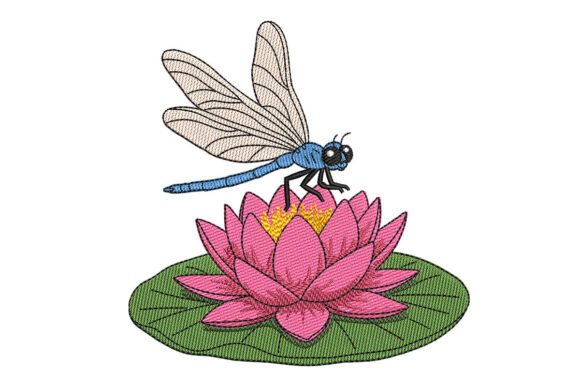
The moment I downloaded the digital embroidery file, I was struck by the elegance of Dragonfly at the Lotus. The design features a graceful dragonfly hovering near a blooming lotus flower, creating a peaceful and organic visual that immediately evokes a sense of calm and natural beauty. This kind of imagery is perfect for anyone looking to add subtle yet meaningful symbolism to their work—whether it’s for personal gifts or retail-ready items.
I appreciate how the design balances intricate details without becoming overwhelming. The dragonfly has delicate wings and defined body lines, while the lotus includes soft curves and layered petals. These elements suggest that the design uses a combination of satin stitch, fill stitch, and possibly running stitch to maintain clarity and depth. As someone who works with both light and dark fabrics, I also noticed the thoughtful use of thread colors, which enhances the visibility and appeal of the motif across various backgrounds.
Project Compatibility and Real-World Performance
One of the key factors I consider when evaluating any embroidery file is its adaptability to different products. After experimenting with the Dragonfly at the Lotus design, I found it to be quite versatile. Here are some of the applications where it performed particularly well:
- Custom apparel: On sweatshirts and T-shirts, the design stitched smoothly and maintained its shape even after multiple washes. The soft curves of the lotus and the elongated form of the dragonfly made it ideal for front chest placements or back yokes.
- Tote bags: When applied to canvas or cotton blends, the design looked stunning as a central motif. It added a decorative touch that elevated the overall presentation of the finished product.
- Baby items: The gentle nature of the design made it a great fit for baby blankets and onesies. Its non-aggressive stitch pattern ensured comfort for sensitive skin, and the motifs retained their crispness on stretchy knits.
- Kitchen towels and aprons: On linen and cotton kitchen textiles, the Dragonfly at the Lotus provided a subtle yet elegant accent. It didn’t interfere with functionality and added a nice handmade feel.
- Pillow covers and nursery decor: The design worked beautifully on pillow cases and wall hangings. The balance between negative space and filled areas allowed it to stand out without being too busy.
- Embroidered patches: For those interested in patchwork, the design lent itself well to applique-style execution. With the right stabilizer, it can be stitched onto felt or woven interfacing for durable, reusable patches.
- Seasonal handmade gifts: The universal appeal of lotuses and dragonflies makes this design suitable for year-round gifting. It adds a refined touch to custom gift baskets, holiday cards, or personalized keepsakes.
Considerations for Different Fabrics and Hoop Sizes
While the Dragonfly at the Lotus design is visually appealing, there are a few practical considerations to keep in mind. If you're planning to use it in small hoop sizes (such as 4x4 inches), make sure to check the stitch density and adjust it if necessary. Some detailed areas may require more stabilization to prevent distortion.
For projects involving stretchy fabric like spandex or tri-blend tees, I recommend using a tear-away or cut-away stabilizer underneath. The dragonfly’s wing structure benefits from extra support to avoid puckering or shifting during stitching.
If you’re working on dark fabrics, such as black or navy, the design still holds up well thanks to the high contrast of its thread color palette. However, always test the thread colors on your specific fabric before committing to a full run, especially if you’re sourcing materials from different suppliers.
When it comes to curved surfaces like caps or embroidered buttons, the Dragonfly at the Lotus design remains legible and retains its shape. Just ensure your machine supports proper curve compensation and that you’ve selected the correct hoop size for the surface you're embroidering.
Design Details and Stitching Personality
What really stands out about this design is how it handles dense stitch areas. The lotus petals and dragonfly body have sufficient spacing between stitches to reduce bulk, making it easier to layer or flip over seams. This is crucial for handmade products where aesthetics and durability must coexist.
The wings of the dragonfly, in particular, are a highlight. They are stitched with fine running stitches that create a translucent effect, mimicking the delicate texture of actual wings. This level of craftsmanship is rare in many free or low-cost machine embroidery designs, and it's one reason I believe this is a solid investment for designers looking to elevate their offerings.
Layered details are another strength. The design uses varying levels of stitch types to separate the background from the main elements, giving it a dimensional quality that’s hard to achieve without careful planning. This makes it suitable for both simple and complex projects, especially if you plan to pair it with other Single Flowers Plants designs from Creative Fabrica.
Impact on Product Value and Branding
Using the Dragonfly at the Lotus design can significantly enhance the perceived value of your handmade product. Its natural theme appeals to a wide audience, including eco-conscious shoppers, yoga enthusiasts, and lovers of minimalist aesthetics. The design feels intentional and professional, which helps build buyer trust and supports premium pricing in Etsy shops or boutique settings.
For digital product sellers, the design’s clean layout and recognizable elements are ideal for printable mockups. Whether showcasing it on a tote bag or a cap, the Dragonfly at the Lotus can help attract customers who are looking for unique, nature-inspired design assets.
Additionally, the design contributes to brand consistency. If you're building a line around botanical or spiritual themes, this motif fits seamlessly into your collection. It’s also highly giftable, especially when paired with soft pastel threads or neutral tones, which are popular in modern handmade trends.
Photography and Customer Engagement
From a marketing standpoint, the Dragonfly at the Lotus design is incredibly photogenic. Its soft lines and flowing shapes photograph well under both natural and studio lighting. I found that using a white or light-colored background helped the design pop, but it also looked equally good against earthy tones for a more grounded aesthetic.
This kind of visual flexibility is essential for Etsy sellers and craft fair vendors. You can feature the design in multiple looks across your listings, increasing customer engagement and helping buyers envision the design in different contexts. The calming nature of the image also tends to resonate emotionally, encouraging impulse purchases and repeat sales.
Practical Tips Before Sticking
Before using the Dragonfly at the Lotus in your next project, here are a few best practices I recommend:
- Test on scrap fabric: Always do a trial run to assess how the design behaves on your chosen material.
- Check thread color contrast: Make sure the colors will show up well on your fabric, especially if it’s darker or textured.
- Review stitch density: Adjust the density if you notice excessive puckering or if you want a lighter look.
- Confirm hoop size: Ensure your hoop is large enough to accommodate the entire design without stretching.
- Compare light and dark fabric mockups: Use the provided images to decide whether the design will suit your intended color scheme.
- Use proper stabilizer: Especially important for stretchy or lightweight materials to maintain shape and clarity.
- Inspect small details after stitching: Check the dragonfly’s wings and the lotus’ center for any missed stitches or inconsistencies.
- Confirm file details and licensing: Visit the Creative Fabrica product page to verify file formats, compatibility, and whether you can sell finished products using this design.
Final Thoughts: Worth Adding to Your Collection?
In conclusion, the Dragonfly at the Lotus design is a strong contender for anyone looking to expand their embroidery file library with something that combines artistry and practicality. Whether you're crafting personalized gifts or producing commercial embroidery items, this design brings a touch of elegance that can set your work apart.
Its ability to perform well on a range of fabrics and products, along with its balanced detail and soothing visual mood, makes it a valuable asset for creative entrepreneurs. While I always advise checking technical specifications and testing the design before production, my experience with Dragonfly at the Lotus has been overwhelmingly positive.
As a professional, I see this design fitting naturally into collections focused on nature, mindfulness, and botanical motifs. It’s a subtle yet impactful choice that can elevate everything from custom apparel to handmade gifts, and I’m confident it will become a go-to option in your creative workflow.