Peony Flower Embroidery Design Review
As an embroidery designer who has spent years translating digital files into tangible brand assets, I look at every new machine embroidery design with a critical eye. It is not enough for a file to simply stitch out; it must serve the business that buys it. Today, I am reviewing the Peony Flower, a piece categorized under Single Flowers Plants within the broader realm of Embroidery. The product description promises to "transform your fabrics with a touch of charm" and add a "fun and quirky accent" to projects like t-shirts, towels, and home decor. But does this design hold up when we move from a hobbyist’s hoop to a small business’s production line? Let’s break down its viability for branded merchandise, patches, and professional apparel.
First Impressions: Visual Personality and Brand Fit
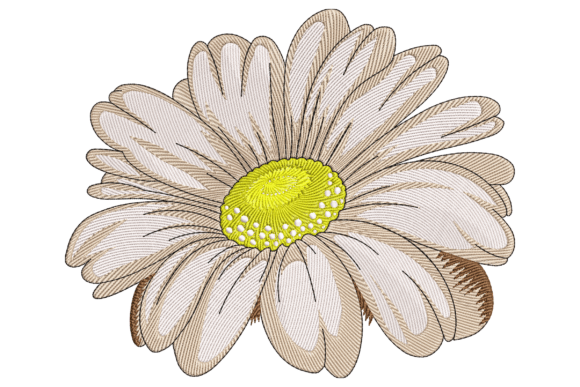
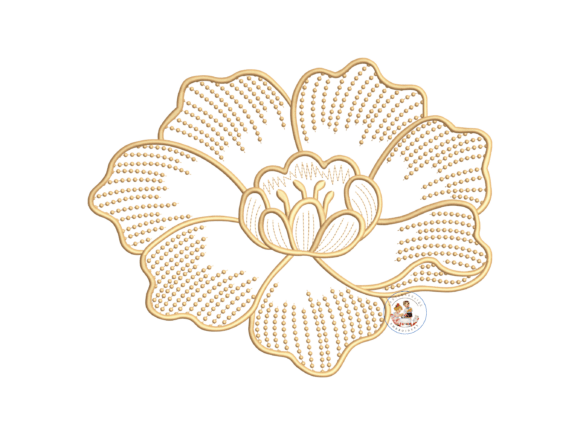
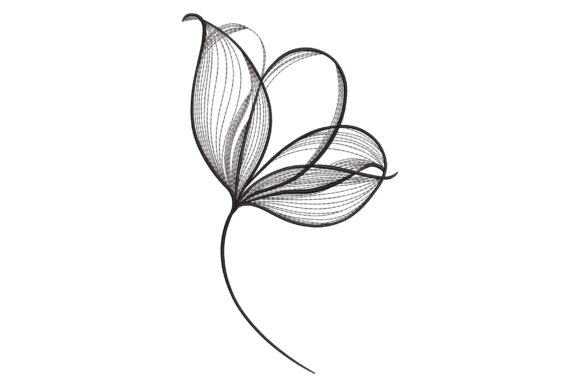
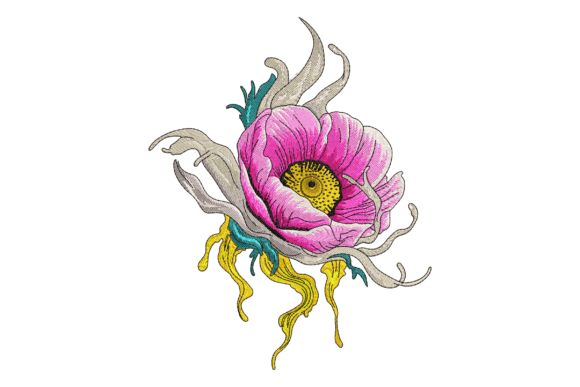
The moment you load the embroidery file into your digitizing software, the character of the Peony Flower reveals itself. Based on the descriptor "cool," "fun," and "quirky," this design leans heavily toward approachability rather than rigid corporate formality. In my experience, designs with these traits are incredibly valuable for brands that want to appear friendly, artisanal, or boutique-style. It feels less like a traditional heraldic emblem and more like a hand-drawn sketch brought to life through thread.
This aesthetic makes it an excellent candidate for small business merch targeting younger demographics or lifestyle markets. Think of a local café looking for apron embroidery, a handmade soap brand needing a label accent, or a florist creating custom tote bag designs. The peony is historically associated with luxury and romance, but this specific interpretation softens that image into something modern and accessible. It strikes a balance between elegant and playful, which is a sweet spot for many Etsy sellers and craft business assets seeking to stand out without shouting.
Real-World Business Applications
Where does the Peony Flower truly shine in a commercial setting? After testing various applications, I have identified several high-value use cases where this design adds significant perceived value to the finished product.
- Embroidered Patches: One of the most profitable applications for single-flower designs is the creation of iron-on or sew-on patches. The Peony Flower works beautifully as a standalone icon on denim jackets, canvas backpacks, or leather goods. Because it is a single subject, it avoids visual clutter, allowing the texture of the thread to take center stage.
- Staff Uniforms and Aprons: For hospitality businesses, such as bakeries or boutique retail shops, subtle branding is key. Placing a small version of this flower on the chest pocket of a work shirt or the bib of an apron embroidery project adds a touch of personality without overwhelming the uniform. It signals attention to detail and care for aesthetics, which customers often subconsciously associate with product quality.
- Cap Embroidery: When adapting this design for headwear, the clean lines of a single flower allow for easy placement on the front panel or side of a cap. It serves as a sophisticated logo mark that doesn’t require complex lettering, making it timeless and versatile across different seasons.
- Tote Bag Designs: Canvas bags are a staple of custom apparel marketing. A centered or offset Peony Flower provides a focal point that encourages customers to carry the bag around, effectively turning them into walking billboards. The "quirky" nature of the design invites conversation, boosting organic brand engagement.
- Product Packaging Accents: Beyond fabric, this design can be stitched onto hang tags, gift boxes, or fabric labels attached to clothing items. This elevates the unboxing experience, making the item feel like a premium handmade product rather than mass-produced inventory.
Strategic Placement for Maximum Impact
To maximize the effectiveness of this digital embroidery file, consider placing it as a sleeve detail on long-sleeve tees or as a repeated motif along the hem of a dress. These placements suggest a higher level of craftsmanship and justify a higher price point. For event merch, such as wedding favors or bridal party gifts, the floral theme resonates emotionally, increasing customer satisfaction and repeat purchases.
Design Limitations and Critical Considerations
No design is perfect for every application. As a professional, I must highlight where the Peony Flower requires careful handling to avoid production issues. Understanding these limitations is crucial for maintaining brand reputation and minimizing waste.
Small Patch Sizes: If you plan to scale this design down significantly for tiny patches or jewelry tags, you risk losing definition. Intricate details may merge together, resulting in a muddy blob rather than a distinct flower. Always test the smallest intended size before committing to bulk production.
Curved Surfaces: While caps and sleeves are relatively flat compared to other garments, highly curved surfaces can distort the geometry of the petals. Ensure your digitizer has accounted for pull compensation, especially if stitching on stretchy knits or heavy denim.
High Stitch Density: Check the stitch density of the file. If the design uses too much thread in a small area, it can become stiff and uncomfortable against the skin, particularly on t-shirts or delicate fabrics. Conversely, if the density is too low, the underlying fabric may show through, giving a cheap appearance. You may need to adjust the thread colors or add a backing stabilizer to achieve the right balance.
Fabric Texture and Color: The performance of this design will vary depending on the base material. On textured fabrics like burlap or waffle weave, the stitches may not lay flat, obscuring the design. Similarly, on dark uniforms, ensure there is sufficient contrast between the thread colors and the background. Light pastel threads on black fabric may require a dense underlay, which can affect the drape of the garment.
Frequent Washing: For items that will undergo frequent industrial laundering, such as restaurant aprons or gym wear, verify the durability of the stitch formation. Loose loops or insufficient anchoring can lead to unraveling over time, damaging the brand’s image of quality.
Affecting Brand Identity and Customer Trust
Embroidery is tactile. Unlike printed graphics, stitched designs have depth and texture that customers can feel. This physical interaction builds a stronger emotional connection to the brand. Using a well-executed Peony Flower design communicates that you care about the finer details. It suggests professionalism and reliability, which are essential for building brand identity and customer trust.
When a customer receives a product with a neat, vibrant embroidered flower, they perceive higher value. This perception allows you to command premium pricing and fosters loyalty. Consistency in using high-quality design assets across all touchpoints—from hats to packaging—reinforces visual consistency, making your brand instantly recognizable in a crowded marketplace.
Practical Designer Notes for Production
Before you run this file on your production machines, follow these essential steps to ensure success:
- Test in Black and White: Convert the design to monochrome to check the contrast and spacing. If it looks cluttered in black and white, it will likely struggle in color.
- Check Hoop Size: Confirm that the hoop size required by the file fits your available machinery and the dimensions of the garment you are embroidering.
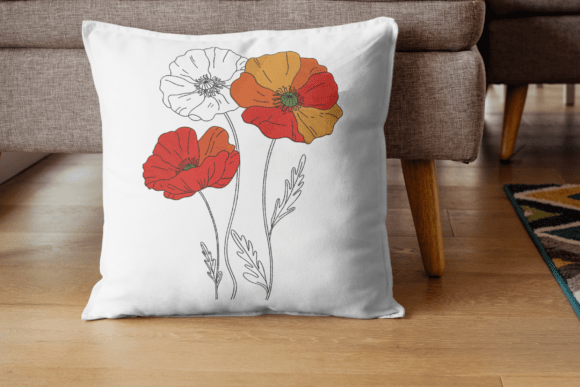
- Review Thread Color Contrast: Select thread colors that pop against your chosen fabric. Use a printable mockup to visualize how the final colors will interact with the material.
- Inspect Spacing and Density: Zoom in on the digitized layers. Are there any overlapping stitches that might cause puckering? Is the spacing logical?
- Test on Real Fabric: Never assume a design will work perfectly based on screen preview alone. Stitch a sample on the actual fabric type you intend to use.
- Use Proper Stabilizer: The choice of stabilizer (cut-away, tear-away, or water-soluble) is critical for preventing distortion, especially on knit fabrics or lightweight materials.
- Create a Mockup for Client Approval: If you are a service provider, always present a realistic mockup to your client before starting production. This manages expectations and reduces revision cycles.
- Compare Beside Other Assets: Place the Peony Flower next to your existing logo or other design elements to ensure visual harmony.
- Confirm Commercial Licensing: Most importantly, verify that you have the appropriate commercial license to sell products made with this digital embroidery file. Infringing on intellectual property can lead to severe legal consequences.
In conclusion, the Peony Flower is a versatile and charming addition to any designer’s library. Its playful yet elegant nature makes it suitable for a wide range of commercial embroidery projects, from cute tote bags to professional staff uniforms. By paying close attention to technical details like stitch density, fabric choice, and licensing, you can leverage this design to create high-quality, desirable products that resonate with your audience and elevate your brand.