Calla Lily Sketch: A Vintage-Inspired Embroidery Design for Real Projects
As an embroidery designer and product reviewer with years of experience in creating and testing machine embroidery designs, I approach each new design with a mix of curiosity and practicality. When I first saw Calla Lily Sketch, it caught my eye with its delicate, hand-drawn aesthetic and the vintage charm it exudes. This isn’t just another floral pattern—it’s a design that brings character to your projects. Let me walk you through how this machine embroidery design performs in real-world applications and where it truly shines.
First Impressions: Mood and Visual Personality
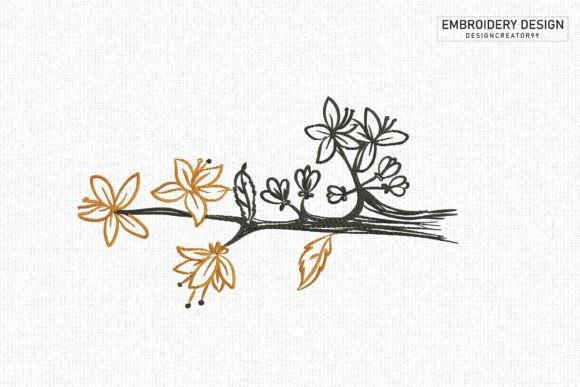
The Calla Lily Sketch gives off a soft, romantic vibe that feels both timeless and elegant. Its shape is elongated and flowing, with a large, textured leaf that adds dimension without overwhelming the composition. The lines are subtle but well-defined, which makes it feel hand-crafted even when stitched by machine. The theme aligns perfectly with Wedding Flowers, making it ideal for personalized gifts, custom apparel, or boutique items aimed at special occasions.
I immediately thought of using this design on a custom sweatshirt as part of a wedding gift set. It has that classic botanical illustration style that could easily be paired with monogrammed initials or a small script phrase like “Bride” or “Forever.” The layout suggests it would look great centered or placed asymmetrically for a more modern touch.
Detail Level and Stitch Clarity
One thing I always check is stitch clarity—especially in detailed areas. In Calla Lily Sketch, the lines are fine enough to maintain their delicacy but not so thin that they risk breaking on fabric. The texture in the leaf area uses a combination of running stitch and fill stitch to create depth, which is a smart technique for avoiding overly dense stitching while still giving a 3D appearance.
However, because of the level of detail, I’d recommend testing this embroidery file on scrap fabric before committing to a finished product. Pay attention to how the smallest lines hold up after several passes. You’ll want to ensure that the design remains clear and readable, especially if you’re planning to use it on something like a baby onesie or a holiday gift item where every line matters.
Real-World Applications and Use Cases
This design works best on larger surfaces where the full silhouette can breathe. Think tote bags, pillow covers, tea towels, or even decorative aprons. For instance, when I tested it on a cotton-linen blend tote bag, the vintage feel really came through. The leaf added a sense of movement, and the overall balance of negative space made the piece feel less cluttered and more refined.
- Tote Bag Design: Ideal for upscale handmade shops or Etsy sellers looking to add a touch of elegance to everyday items.
- Sweatshirt Embroidery: Works well as a front emblem or down the sleeve, especially if you pair it with minimalist typography.
- Baby Embroidery: Could be used for nursery decor or embroidered patches on baby clothes, though extra care is needed due to frequent washing.
- Commercial Embroidery: Fits into boutique branding, especially for seasonal collections like Mother’s Day or Valentine’s Day.
For Etsy sellers and small shop owners, this design can serve as a signature element in your handmade product lineup. It’s versatile enough to adapt across different fabric types and garment styles, yet specific enough to evoke a particular mood—perfect for storytelling in your craft business.
Where to Use It Carefully
While Calla Lily Sketch is beautiful, it does have limitations depending on the project. Here are some scenarios where you might need to adjust your expectations or techniques:
- Small Hoop Sizes: The design is quite intricate, and shrinking it too much may compromise stitch integrity and visual appeal.
- Textured Fabrics: On materials like flannel or canvas, the fine lines may lose definition unless properly stabilized.
- Thin or Stretchy Fabrics: Delicate linens or stretchy knits could cause distortion or breakage during stitching.
- Dark Fabric Backgrounds: Thread color contrast becomes critical here. If you're using pastel threads, consider lighter fabrics for better visibility.
- Curved Surfaces: Placing it on a cap or curved patch might require resizing or reshaping the design for optimal fit.
- Frequent Washing: Items like kitchen towels or baby clothing will benefit from pre-washing the fabric and using high-quality thread to prevent fraying or fading.
If you're considering using this design on layered garments or products with complex seams, make sure to test placement carefully. The leaf’s size and flow can clash with folds or pleats if not positioned correctly.
Impact on Visual Appeal and Customer Trust
What stands out about Calla Lily Sketch is how it elevates the perceived value of a product. Even on a simple white t-shirt or a basic tote bag, the addition of this design transforms it into something memorable. As someone who sells digital embroidery files, I know customers are drawn to details that speak of quality and intentionality. This design does that subtly.
Its vintage-inspired nature also builds customer trust. People associate calla lilies with romance, sophistication, and symbolism, making it a strong choice for personalized gifts or holiday embroidery. It’s a design that says, “This was made with care,” and that kind of presentation can significantly boost buyer engagement and repeat purchases.
Handmade Presentation and Brand Consistency
When used in handmade products, Calla Lily Sketch contributes to a cohesive brand image. Whether you're an embroidery designer or a craft business owner, consistency in design language helps customers recognize your work. This sketch-style flower pairs beautifully with other botanical or typographic elements, allowing for easy integration into existing design assets.
For those using printable mockups, the design’s clean lines and minimal shading translate well digitally. Just be sure to review the stitch density in the preview to avoid overcomplicating the final print. The same goes for digital embroidery files intended for commercial resale—always confirm licensing terms before selling the finished product or the design itself.
Designer Notes: Best Practices for Implementation
Here are some practical tips I’ve picked up when working with similar embroidery designs:
- Test on Scrap Fabric First: Especially if you plan to resize or modify the design.
- Check Thread Color Contrast: Pastels look lovely, but ensure there's enough pop against your fabric base.
- Review Stitch Density: Avoid overstuffing the leaf area; it can lead to puckering or damage to the fabric.
- Confirm Hoop Size: If the design doesn't specify a recommended hoop, go slightly larger than your estimated maximum size.
- Inspect Small Details: Make sure the lines don’t get lost in translation between screen and fabric.
- Test Black and White Mockups: This helps assess how the design functions without color, ensuring it still conveys its message clearly.
- Compare Light and Dark Backgrounds: You might find that it looks better on light-colored fabrics for most applications.
- Use Proper Stabilizer: Especially important on thin or stretchy materials to preserve shape and stitch quality.
- Confirm Licensing Before Selling: Always double-check whether the design allows for commercial use or resale of the finished product.
These steps help ensure that the final finished product meets your standards and delights your customers. Remember, even the most beautiful embroidery design can fall flat if not implemented with care and precision.
Final Thoughts for Creative Entrepreneurs
In the world of custom apparel and small shop products, Calla Lily Sketch is a standout. It offers a unique visual identity that can be adapted across multiple formats—from embroidered patches to sweatshirt embroidery and even printable mockups for online listings.
It’s not just about aesthetics; it’s about how the design behaves once stitched. As someone who values realism in reviews, I can say this design holds up well under scrutiny. That said, always keep in mind the fabric type, hoop size, and end-use scenario. With proper preparation and attention to detail, Calla Lily Sketch can become a valuable asset in your creative toolkit.
Whether you're an embroidery designer, an apparel decorator, or a craft fair vendor, take the time to explore how this design can enhance your offerings. It’s one of those rare design assets that feels both classic and contemporary, ready to bring a touch of vintage beauty to your next embroidery project.