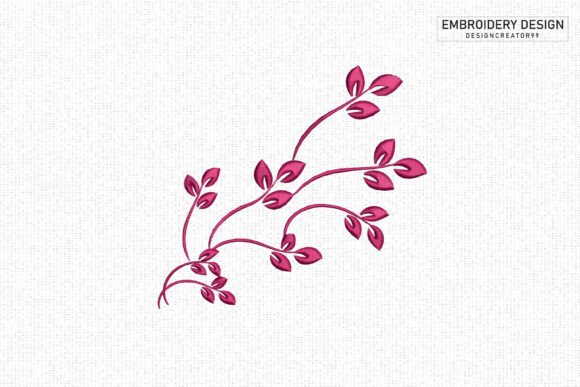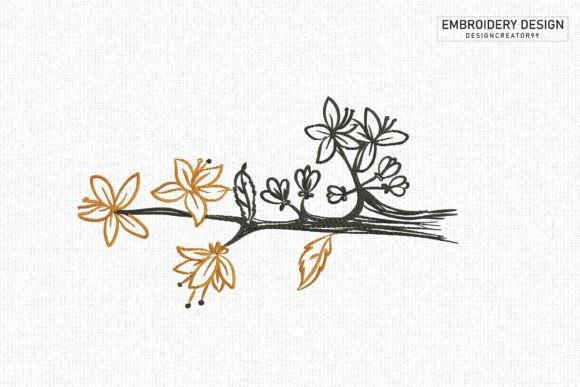
Spring Tree Embroidery Design Review
As an embroidery designer who spends countless hours planning seasonal collections, I am always looking for designs that bridge the gap between nature’s renewal and the cozy aesthetic that shoppers crave during spring holidays. The Spring Tree Embroidery Design is a file that immediately caught my attention for this reason. It feels less like a generic floral pattern and more like a statement piece capable of anchoring a entire product line for Easter, Mother’s Day, or general spring home decor.
When reviewing a digital embroidery file before adding it to a shop’s inventory, the first step is evaluating the emotional tone. This design exudes a sense of fresh beginnings. Whether you are targeting buyers looking for rustic farmhouse charm or those seeking modern botanical elegance, the tree motif serves as a versatile foundation. It suggests growth, stability, and beauty, making it an excellent candidate for personalized gift items where sentimentality drives sales.
Seasonal Appeal and Product Versatility
The true test of any machine embroidery design is its adaptability across different merchandise types. In my experience building holiday collections, versatility is key to maximizing return on investment for your digital assets. The Spring Tree Embroidery Design performs exceptionally well when applied to a variety of substrates commonly sold by Etsy sellers and small business owners.
- Sweatshirt Embroidery: Spring weather can be unpredictable, but layering is in style. Placing this design on the front pocket or centered chest of a crewneck sweatshirt creates a premium, boutique look. The organic lines of the tree contrast beautifully with the soft texture of cotton blends, offering visual interest without overwhelming the garment.
- Tote Bag Design: For eco-conscious shoppers and market vendors, a canvas tote featuring this tree motif is a staple. It works as a standalone graphic on large bags or repeated in a border pattern along the bottom hem. The sturdy nature of canvas allows for detailed stitching, ensuring the branches and leaves remain crisp even after multiple uses.
- Kitchen Towel Embroidery: Home decor remains a massive category during spring cleaning seasons. A flour sack towel embroidered with a single tree branch or a full canopy adds a touch of warmth to any kitchen. Because these items are often gifted, the design must be legible from a distance, which this file achieves through balanced negative space.
- Pillow Cover: Soft goods allow for larger hoop sizes, giving the design room to breathe. On a linen or velvet pillow cover, the tree can serve as a centerpiece for a living room refresh. It pairs well with neutral fabrics, allowing the thread colors to pop and define the shape of the foliage.
- Baby Items: Spring brings baby showers and new arrivals. A smaller application of this design on a onesie, blanket, or burp cloth evokes tenderness. The tree symbolizes growing up, making it a meaningful choice for parents celebrating milestones.
- Aprons and Table Linens: For hosts preparing for Easter brunches or garden parties, aprons and table runners featuring this motif add a cohesive theme to the event. The design’s natural aesthetic complements floral centerpieces and outdoor settings perfectly.
- Embellished Patch: If you offer customizable accessories, applying this design to an iron-on patch allows customers to add a unique touch to denim jackets or backpacks. This expands the utility of the embroidery file beyond traditional apparel.
Real-World Selling Scenarios
When marketing these products, the visual presentation is just as important as the stitch quality. The Spring Tree Embroidery Design lends itself well to creating compelling social media previews and product mockups. Imagine a flat-lay photo of a tote bag next to fresh spring flowers and a coffee cup; the tree embroidery ties the composition together, suggesting a lifestyle rather than just a product.
For limited edition apparel drops, bundling this design with complementary elements can increase average order value. Consider creating gift bundles that include a matching set of kitchen towels and a tote bag, all featuring variations of the tree motif. Shoppers love coordinated sets for gifting, and this design provides the thematic glue that holds the bundle together. Furthermore, because the design has a timeless yet seasonal feel, it can be used for family matching items, such as coordinating outfits for a spring photoshoot, which drives engagement among families looking for memorable holiday experiences.
Strategic Use Cases and Cautions
While this design is highly versatile, there are specific scenarios where caution is required to ensure customer satisfaction. As a professional, I advise testing the design carefully before listing it for mass production.
First, consider the scale. Small hoop sizes may result in overcrowded details if the tree’s intricate branches are not simplified in the digitizing process. If the stitch density is too high for a tiny area, the fabric may pucker, ruining the clean look of the finished product. Always review the design at actual size on your machine to check for clarity.
Second, fabric choice matters immensely. Thick towels can hide fine details, so ensure the design has enough bold lines to stand out. Conversely, dark fabrics require underlay stitches that provide a solid base for the top thread colors. Without proper stabilization and underlay, the tree’s delicate features might get lost against a dark background. Additionally, stretchy garments like jersey knits need a cut-away stabilizer to prevent distortion, especially if the design covers a large surface area.
Avoid using metallic threads unless you have extensive experience, as they can break frequently and disrupt the flow of the design. Also, be mindful of curved caps; while possible, complex tree structures may distort on a curved surface unless specifically digitized for that purpose. Stick to flat surfaces for the best results unless you are customizing for a specific client request.
Technical Notes for Sellers
To ensure your customers receive high-quality products, adhere to these practical steps when using the Spring Tree Embroidery Design:
- Thread Color Testing: Test various thread palettes on both light and dark fabrics. Spring themes often benefit from pastel greens, soft browns, and vibrant blossoms, but earthy tones work well for a rustic vibe. Ensure the contrast is sufficient for the design to be readable.
- Stabilizer Selection: Use the correct stabilizer for your fabric type. Tear-away for woven fabrics, cut-away for knits and stretchy materials. Proper support prevents shifting and ensures sharp edges.
- Hoop Size Verification: Confirm that your intended product fits within the maximum hoop dimensions supported by the file. If the design exceeds your machine’s capacity, you will need to split the design, which can affect the final aesthetic.
- Mockup Creation: Create realistic mockups that show the design on the actual product. This helps buyers visualize the end result and reduces returns due to mismatched expectations.
- Commercial Licensing: Before selling finished products, verify the commercial licensing terms of the digital file. Most reputable sources allow for physical sales but prohibit the resale of the digital file itself. Ensure you are compliant to protect your brand’s reputation.
The Spring Tree Embroidery Design offers a blend of artistic merit and commercial viability. By understanding its strengths and limitations, you can create a cohesive collection that resonates with buyers looking for meaningful, high-quality handmade gifts. Whether you are updating your Etsy shop for the spring season or launching a new line of home decor, this design provides a strong foundation for success. Remember to focus on fabric texture, stitch density, and thoughtful presentation to maximize the appeal of your seasonal embroidery products.