Flower Plants Embroidery Design Review for Craft Fair Success
First Impressions: Timeless Elegance with a Touch of Nature
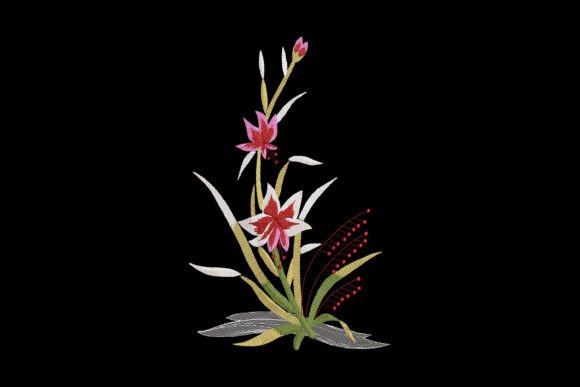
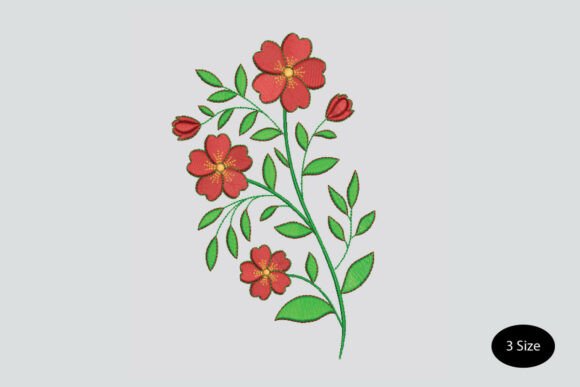
As an experienced embroidery designer, the first thing I notice about Flower Plants is its timeless elegance. The description mentions vibrant red blossoms, delicate buds, and graceful green leaves — all elements that scream sophistication and natural beauty. This design doesn’t shout; it whispers, inviting customers to pause and admire the subtle charm. The overall mood feels premium and decorative, making it ideal for a range of handmade products. It’s not overly bold or busy, so it won’t clash with other booth items, but it still has enough visual interest to draw attention from passersby at your craft fair or Etsy shop window.Where Flower Plants Shines on Handmade Products
Flower Plants performs exceptionally well when applied to a variety of fabric-based items. Here's how it stands out:
- Tote Bags: The floral branch looks stunning as a central motif. Its soft curves and colors make it perfect for eco-friendly tote bags, especially in neutral tones where the red and green stand out.
- Aprons: A small version of this design near the pocket adds a touch of refinement without overpowering the garment. For farmhouse-style aprons, it works wonders.
- Tea Towels: With its elegant flow, this design fits beautifully into kitchen linens. A slightly larger placement down one corner gives it a decorative flair that elevates the product instantly.
- Patches: The detail level makes it a strong candidate for embroidered patches. Use it as a customizable gift item or to add branding to custom gear.
- Caps: Because of the curved surface, you’ll need to adjust the design’s shape slightly. However, a smaller version placed near the brim can look very modern and eye-catching.
- Fabric Pouches: Ideal for both front-facing pouches and inside pockets. It adds a premium feel to everyday items like makeup bags or snack pouches.
- Pillow Covers: This design brings a sense of calm and beauty to home décor. Placed centrally or along the seam, it enhances the artisanal appeal of your pillows.
- Handmade Gifts: Whether stitched onto a market bag or a personalized tea towel, Flower Plants conveys thoughtfulness and quality — key traits for successful gifting.
- Booth Samples: As a sample piece, it helps showcase your brand’s style. Choose a high-quality linen tote or cotton pillow cover to let the design speak for itself.
- Printable Mockups: The soft, flowing lines translate well into digital mockups, helping potential buyers visualize the design before purchasing.
- Etsy Listings: When displayed properly, this design can be a major draw for your online store. Pair it with lifestyle photos and minimal text for a clean, appealing presentation.
Practical Selling & Production Insights
From a production standpoint, Flower Plants offers a balance between aesthetic appeal and practicality. Let’s break down some key factors to consider when turning this machine embroidery design into sellable goods:
Clarity and Readability
This design is easy to understand at a glance, even in smaller sizes. The contrast between the red blossoms and green leaves ensures visibility without being too loud. However, if you’re planning to scale it down significantly (e.g., under 2 inches), be sure to test it on actual fabric to ensure details remain clear.
Placement Flexibility
One of the best features of Flower Plants is its adaptability. It works equally well as a small accent on the edge of a pouch or as a large focal point on a tote bag. For commercial embroidery purposes, this flexibility means you can use the same digital embroidery file across multiple product types while maintaining a cohesive brand image.
Photography for Online Sales
The design photographs beautifully, especially against light-colored backgrounds. Its soft, organic lines create a sense of movement and depth, which translates well into digital images. For Etsy sellers, including a few close-up shots of the stitching will highlight the craftsmanship and increase perceived value.
Batch Production Considerations
If you're producing multiple units for a weekend craft fair or online launch, the design’s structure allows for consistency across batches. Just be mindful of stitch density and thread tension settings to avoid variations in the final product. Using the right stabilizer is crucial, particularly on stretchy or thin fabrics.
Design Care Notes for Optimal Results
Before jumping into full production, here are a few things to watch for with Flower Plants:
- Dense Stitch Areas: Some parts of the design may have heavier coverage. Test these sections on scrap fabric to ensure they don’t pucker or distort during sewing.
- Tiny Details : The delicate buds and leaf textures require precision. If your embroidery machine struggles with fine stitches, you may want to simplify or enlarge those areas slightly.
- Thread Colors: Confirm that the thread colors work well together and pop against your chosen fabric color. Red and green combinations can vary in impact depending on the background shade.
- Hoop Size: While the hoop size isn't specified in the product description, it’s important to check the design requirements before starting production. Larger versions may need bigger hoops to maintain integrity.
- Dark Fabrics: On darker materials, the red blossoms might appear muted. Consider using a brighter red thread or adding a white outline to enhance visibility.
- Textured Towels: For tea towels or linen with texture, the design might lose some definition. Try using a lighter-weight fabric or a smoother weave to keep the embroidery crisp.
- Small Lettering: If the design includes any lettering or script, ensure it’s legible. Tiny text can be tricky, especially if printed on dark or stretchy materials.
Boosting Visual Appeal and Customer Engagement
When designing for craft fairs and handmade markets, visual appeal is everything. Flower Plants does more than just decorate a product — it tells a story. It speaks to the customer’s desire for something beautiful, meaningful, and made with care.
At a booth display, this design can anchor your layout. Pair it with earthy tones and natural textures to reinforce the “farmhouse” or “rustic” vibe. Alternatively, place it on sleek, minimalist products to show off its elegant simplicity. Either way, it contributes to a strong booth presence and helps establish your brand as thoughtful and professional.
Increasing Product Value and Brand Consistency
Using Flower Plants across your product line can help maintain a consistent visual identity. Whether it’s a tote bag design or a small embroidered patch, the motif remains recognizable and reinforces your brand’s signature style. Customers appreciate knowing what to expect — this design helps build trust and loyalty over time.
Engaging Your Audience with Quality
Buyers are drawn to handmade products that feel special. Flower Plants adds a layer of artistry and care that differentiates your items from mass-produced alternatives. When paired with quality fabric choices and proper finishing, it elevates the entire experience for the customer.
Embroidery Designer Tips for Maximum Impact
To get the most out of Flower Plants, follow these essential steps before launching into production:
- Test on Scrap Fabric: Always run a test stitch on similar fabric to your final product. This reveals issues with stitch density or tension early on.
- Check Thread Contrast: Make sure the red and green threads pop against the fabric you plan to use. Adjust thread colors if necessary.
- Review Spacing: Ensure there’s enough room around the design for seams and hems. Avoid placing it too close to edges unless it’s part of the intended layout.
- Confirm Hoop Size: If the hoop size is unclear in the embroidery file, double-check it before cutting fabric or setting up your machine.
- Inspect Stitch Density: Especially in dense blossom areas, make sure the fabric can handle the pressure without puckering or tearing.
- Use the Right Stabilizer: Depending on the fabric, you may need tear-away, wash-away, or cut-away stabilizers to preserve the design’s shape and clarity.
- Create a Real Mockup: Before listing anything online or showcasing at a fair, make a physical sample. Seeing it in person helps you catch flaws you wouldn’t spot digitally.
- Compare Fabric Colors: Different shades react differently to the same embroidery design. Try it on 3-4 fabric colors to see which ones work best.
- Confirm Commercial Licensing: If you plan to sell finished products using this design, verify that you have the correct commercial embroidery license. Many digital embroidery files are only available for personal use unless explicitly stated otherwise.
Final Thoughts: Is Flower Plants Worth Adding to Your Line?
In summary, Flower Plants is a versatile, elegant, and visually engaging machine embroidery design that fits perfectly within the Single Flowers Plants category. Its adaptability across various product types — from tote bag designs to apron embroidery — makes it a valuable asset for any embroidery business owner or Etsy seller aiming to boost their booth display strength and customer engagement.
With careful attention to detail and thoughtful application, this design can become a standout feature of your collection. It’s not just another pattern — it’s a statement piece that reflects quality, creativity, and a deep understanding of what appeals to today’s craft-savvy shoppers.
So whether you’re preparing for your next craft fair or looking to expand your digital embroidery file offerings, Flower Plants is definitely worth considering. Just remember to test, adjust, and always prioritize the customer’s perspective. After all, that’s what makes a great handmade product — not just the design, but how it connects with people.