Hibiscus Flower Yin Yang Review
If you are preparing for a busy weekend craft fair or refreshing your Etsy seller inventory, the visual impact of your products is everything. As an experienced embroidery designer, I spend hours evaluating digital files before they ever touch a hoop. Today, I am reviewing the Hibiscus Flower Yin Yang, a design from the Single Flowers Plants category that promises elegance and balance. This review focuses on real-world application: how this design performs as a craft fair product, its production viability, and whether it has the "booth presence" needed to stop a passerby in their tracks.
First Impressions and Visual Appeal
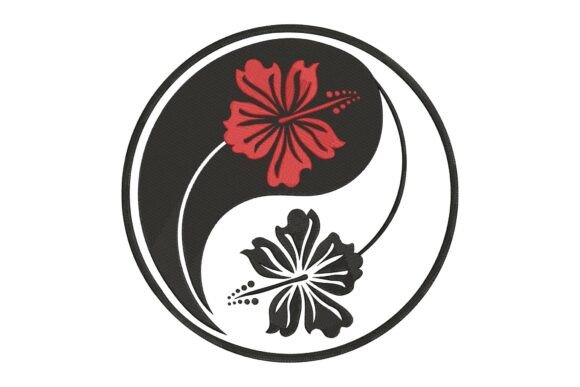
The moment you load the embroidery file onto the screen, the Hibiscus Flower Yin Yang strikes a chord between modern minimalism and organic warmth. The yin yang symbol is universally recognized, representing balance, but the incorporation of the hibiscus flower adds a layer of tropical elegance and softness. It does not feel aggressive or overly busy; instead, it feels premium and decorative.
For a handmade market, this aesthetic is gold. It bridges the gap between farmhouse decor and contemporary boho style. When customers glance at your table display, they look for items that feel intentional. This design offers a sophisticated focal point that works equally well on a neutral linen tea towel or a structured canvas tote. It suggests quality without screaming for attention, which is exactly what drives impulse buys among discerning buyers.
Product Versatility and Market Fit
The true test of any machine embroidery design is its adaptability. Can it sell across multiple categories? With Hibiscus Flower Yin Yang, the answer is a resounding yes. Here is how I see it performing on key handmade product lines:
- Tote Bag Design: This is perhaps the strongest use case. A large, centered placement on a natural cotton canvas bag allows the intricate petals of the hibiscus to shine. The symmetry of the yin yang balances the asymmetry often found in floral shapes, creating a pleasing composition that photographs beautifully for online listings.
- Apron Embroidery: Placing this near the chest pocket or centered on the bib of a kitchen apron adds a touch of class. It elevates a utilitarian item into a gift-worthy piece. The balanced nature of the design ensures it doesn't get lost on the curved surface of a wearer’s body.
- Tea Towel Embroidery: For home goods, this design works exceptionally well as a corner accent or a central motif. The clean lines of the yin yang contrast nicely with the woven fabric texture of a waffle-weave towel, adding depth to the final product.
- Embroidered Patch: If you offer custom patches, this design translates well. The distinct separation of the two halves allows for a clean border, making it easy to apply to denim jackets, caps, or backpacks. It serves as a great conversation starter at a booth.
- Pillow Covers and Cushions: In the realm of home decor, this design brings a sense of calm. It pairs well with solid-colored fabrics in sage green, terracotta, or cream, enhancing the brand consistency of a cohesive home goods collection.
Production Practicality and Quality Control
As a designer, I must look past the beauty and consider the mechanics. How easy is this to produce in batches? The Hibiscus Flower Yin Yang appears to have a moderate stitch density, which is ideal for high-volume production. However, there are critical technical notes to keep in mind before you start running orders.
Stitch Density and Detail: You must inspect the stitch density closely. Hibiscus flowers can be detailed, and if the petals are too thin, they may pucker or lose definition on thicker fabrics like denim or terry cloth. Ensure that the negative space within the yin yang curves is sufficient to prevent thread breakage. If the design includes tiny text or very fine filigree, test it at the smallest size you plan to sell. Small details often get lost in the wash or from a distance.
Fabric and Stabilizer Selection: The choice of stabilizer is paramount. For lightweight fabrics like silk or thin cotton, a cut-away stabilizer will provide the necessary support to prevent distortion. For stable fabrics like canvas, a tear-away might suffice, but always err on the side of caution. If you are embroidering on dark fabric, ensure your thread colors have enough contrast. A white hibiscus on black background will pop, but a pastel pink might require an underlay or a lighter base fabric to remain visible.
Hooping and Spacing: Confirm the recommended hoop size for this design. If it requires a large hoop, consider whether your machine can accommodate it comfortably. Additionally, check the spacing around the edges of the design to ensure it fits your chosen blank product without hitting seams or hems. A poorly placed design can ruin an otherwise perfect finished product.
Selling Strategy and Display Strength
When setting up your booth, visual hierarchy matters. The Hibiscus Flower Yin Yang is versatile enough to serve as both a small accent and a large focal design. Use it strategically to draw eyes to different price points.
For lower-priced items like embroidered patches or small pouches, this design acts as an accessible entry point for new customers. For higher-ticket items like monogrammed aprons or luxury tote bags, it signals premium quality. The elegant nature of the design helps justify a higher price point because it looks custom-made rather than mass-produced.
Photography is also key. Because the design is symmetrical and centered, it lends itself well to flat-lay photography. Create at least one printable mockup to visualize how the design looks on various backgrounds. Show it on a rustic wooden table alongside coffee beans for a cozy vibe, or on a clean white surface for a modern boutique feel. These visuals help potential buyers imagine the item in their own homes, increasing engagement and conversion rates.
Essential Designer Checklist
Before committing to a full run of Hibiscus Flower Yin Yang products, follow these steps to ensure success:
- Test on Scrap Fabric: Never skip this step. Run the design on the exact fabric type you intend to sell. Check for puckering, thread tension, and color accuracy.
- Review Thread Contrast: Hold your thread spools against the fabric. Does the hibiscus stand out? Is the yin yang contrast clear?
- Confirm Commercial Licensing: Verify that your digital embroidery file includes commercial rights. Selling finished goods requires proper licensing to avoid legal issues.
- Create Real Mockups: Produce at least one sample of each product type (tote, apron, etc.) to assess the final look and feel.
- Inspect Stitch Clarity: Zoom in on the digital file. Are there any areas where stitches overlap excessively? Adjust the design if necessary to improve durability.
In conclusion, the Hibiscus Flower Yin Yang is a strong candidate for any small shop product line. Its blend of elegance, balance, and versatility makes it suitable for a wide range of audiences, from yoga enthusiasts to home decorators. By paying attention to production details and presenting it effectively in your booth or online store, you can turn this simple design into a best-selling commercial embroidery asset. It is not just a flower; it is a statement of harmony that customers will want to take home.